


You do not need a financial crisis for the system to fail. You only need enough people to stop believing in the safety of bonds.
We all remember the film Goldfinger. Bond had charm, gadgets, and nerves of steel, yet he was helpless against one thing: Goldfinger’s plan to irradiate Fort Knox. Bond’s skill could only delay the inevitable. That same principle applies today. Investors rely on bonds to protect their portfolios, yet structural inflation, fiscal dominance, and currency debasement are overwhelming the system. Even the cleverest strategies can only delay the inevitable losses in fixed income.

For decades, government bonds acted as the ballast of a portfolio. Stocks zigged, bonds zagged, smoothing volatility and protecting capital during equity drawdowns.
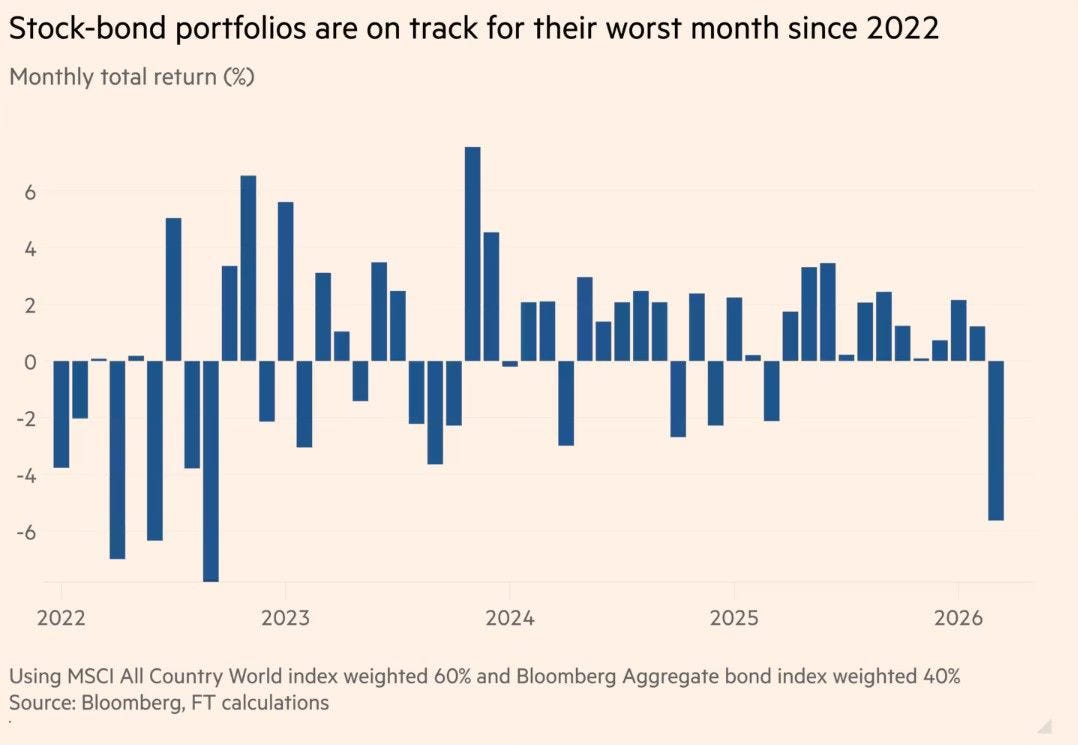
Since 2022, that relationship has broken down. Stocks and long-duration Treasuries have moved together, positive correlation replacing negative. Bonds no longer provide insurance. They now amplify risk.
If you hold 40 per cent of your portfolio in long-duration Treasuries expecting safety, you are not holding ballast. You are holding an anchor dragging your wealth down.
Real returns for a traditional 60/40 portfolio since 2022 have been virtually zero, adjusted for inflation. Compare that to the post-World War Two era, where the same strategy produced 0.7 per cent annualised, or even the Great Depression, which still returned 0.1 per cent. The old playbook has become a trap.
Meanwhile, gold continues its quiet ascent. Since the end of the Bretton Woods system in 1971, it has delivered a 9.4 per cent compound annual growth rate. It preserves purchasing power while fiat-based assets falter.
Gold’s scarcity underpins its resilience. Investable gold is limited, yet both private and central bank demand is increasing. That imbalance creates structural upside for those holding it.
Key Observations from the Market
Debt Explosion: $21 trillion of new global debt was added in the first half of 2025 alone, roughly equal to the entire gold market cap every six months
US Deficit: The United States ran a $2 trillion deficit last fiscal year, equivalent to Spain’s GDP borrowed into existence
Interest Burden: Military and interest payments now consume two thirds of US tax revenue, and rising rates are compounding the problem
Fiscal Dominance: Despite the Fed easing rates in September 2024, the 10-year Treasury yield rose 50 basis points, signalling loss of control over long rates
Correlation Flip: Stocks and long-duration Treasuries are moving together, eliminating the traditional 60/40 cushion
Shadow Gold Price: Backing the monetary base with gold would require a price of over $10,000 per ounce for even modest coverage
Structural Red Flags
BRICS now accounts for 30 per cent of global GDP and is developing a commodity-backed trade unit
The US will roll over $7 trillion in debt in 2025, mostly at higher yields
ISO 20022-compliant digital asset infrastructure is launching globally
Gold-to-silver ratio remains near 80:1, well above the historical mean of 16:1
COMEX physical silver inventories are at multi-year lows
Central banks maintain high gold purchases, signalling persistent structural demand
Macro Interpretation
The lesson from Bond and Goldfinger is clear. Bonds are like Bond: competent in theory but vulnerable when the system is rigged. Gold is Goldfinger: scarce, unmovable, and protective when it matters most.
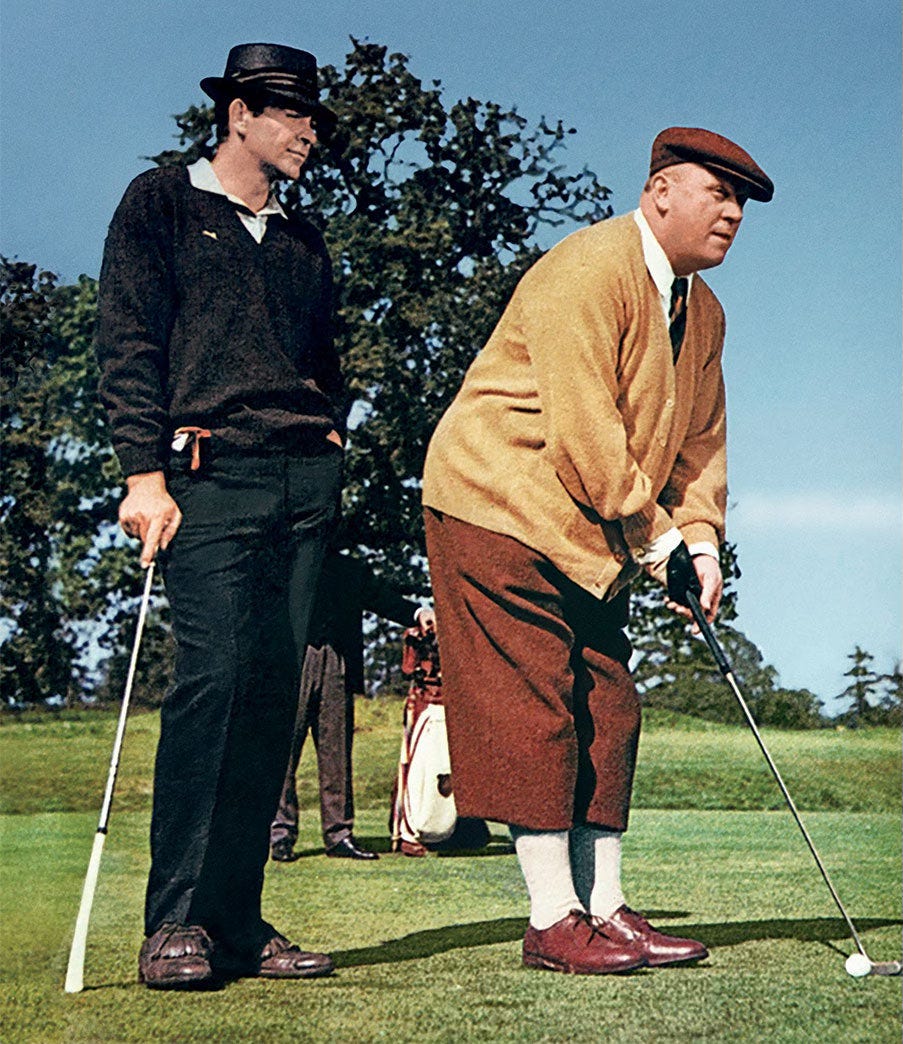
Investors clinging to traditional fixed income are relying on skill and habit rather than recognising structural vulnerabilities. The shift is not just about inflation. It is about a fundamental transformation in the financial system. Fiat currencies are designed to serve governments, not savers. The investors who will thrive are those who understand the new rules and act before the crowd.
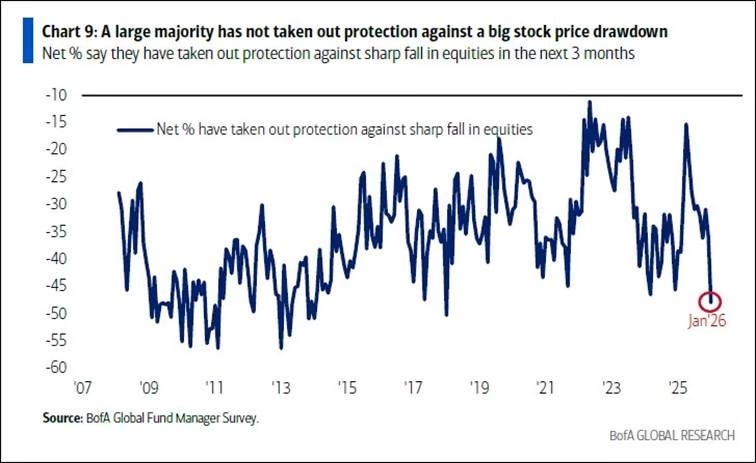
Like Bond facing Goldfinger, relying solely on skill, charm, and tradition is no longer enough. Bonds can no longer guarantee protection, while gold continues to perform in ways that matter for real wealth preservation. The tectonic plates of the financial system have shifted. The 60/40 portfolio is no longer the default strategy it once was.
As Ronnie Stoeferle warns, “scare your investors out of bonds.” Their financial survival may depend on it.

How are you repositioning your portfolio in the face of structural risk? I would be interested to hear your approach. Reply to this newsletter to share your thoughts or to request further insights on hard asset allocation.
Best,
Matt
I hold my age as a percentage of total portfolio in fully allocated physical PMs vaulted in multiple jurisdictions. Heavy silver, and ratio trade above and below 60%. The rest is in productive farm land and PM metals miners. A few other commodity miners. Total return last year over 125%, there are PM options like Kinesis and Vaulted which avoid the collectables capital gains trap when trading.
Precious Metals, commodities, hard assets, industrials. Staying away from Bonds, Tech, and Finance